Reading the Bible for the first time can feel overwhelming—but it doesn’t have to be. God’s Word is not meant to confuse us; it is meant to guide, comfort, and transform us.
When you approach Scripture with an open heart and a simple plan, the Bible becomes a living conversation between you and God.
This guide shares a beginner-friendly order to read the Bible, supported by key verses that build faith, understanding, and trust in God’s promises.
God’s Word Is Our Foundation
(2 Timothy 3:16 – NIV)
“All Scripture is God-breathed and is useful for teaching, rebuking, correcting and training in righteousness.”
This verse reminds us that the entire Bible comes from God and has purpose. Even when you don’t understand everything at first, Scripture is shaping your heart and character.
Life impact: Reading the Bible in a thoughtful order helps you grow spiritually without feeling lost, allowing God’s truth to guide your daily decisions.
Start With Jesus
(John 1:1 – NIV)
“In the beginning was the Word, and the Word was with God, and the Word was God.”
The Gospel of John introduces Jesus as eternal and divine. It’s one of the best places to begin because it focuses on who Jesus is and why He matters.
Life impact: Beginning with Jesus builds a strong faith foundation and helps you see God’s love clearly from the start.
The Message Is Clear and Simple
(John 3:16 – NIV)
“For God so loved the world that he gave his one and only Son…”
This verse summarizes the heart of the Bible—God’s love and salvation through Christ.
Life impact: Understanding God’s love early on brings hope, healing, and assurance that you are deeply valued.
Learn How Jesus Lived
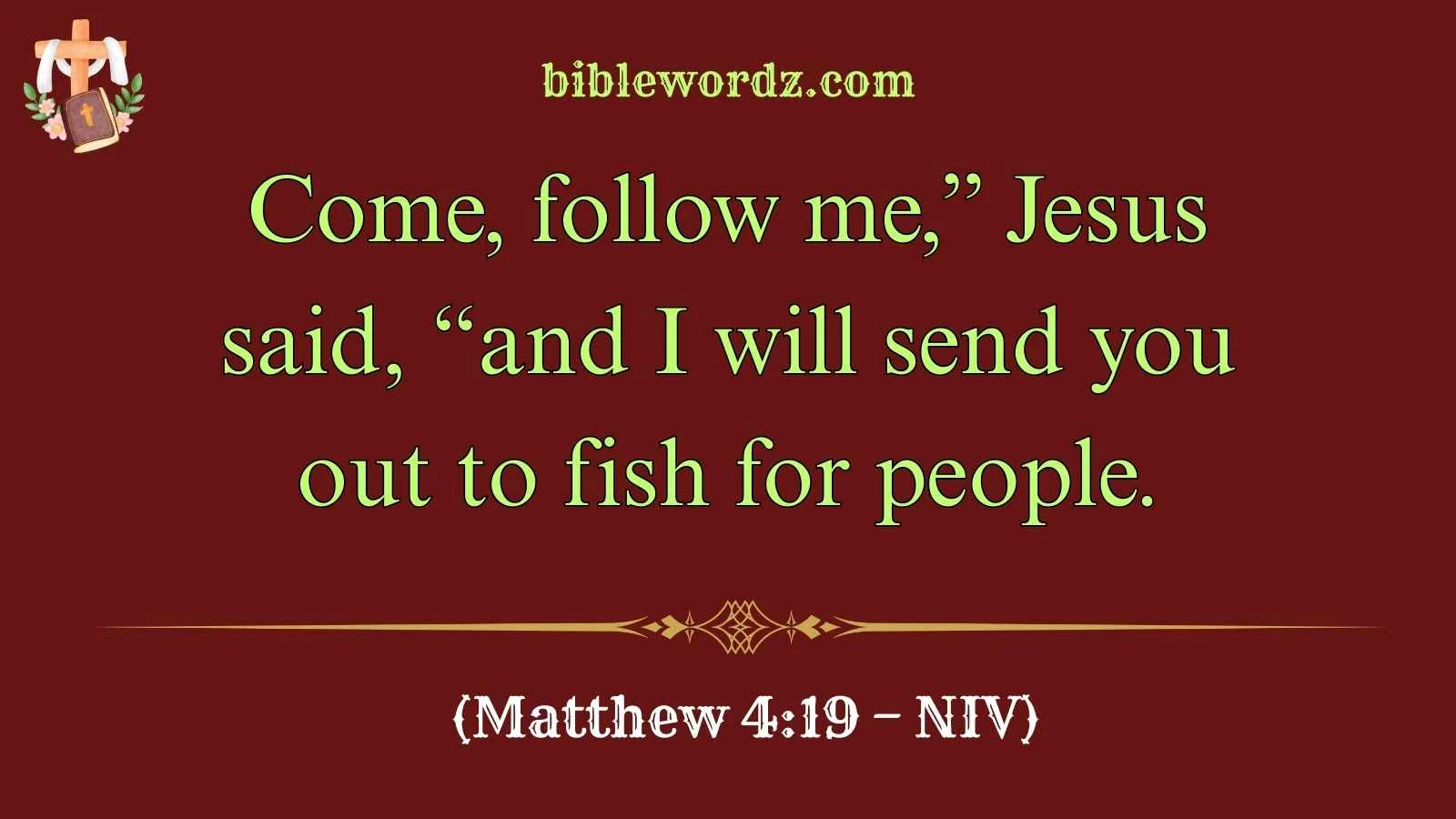
(Matthew 4:19 – NIV)
“Come, follow me,” Jesus said, “and I will send you out to fish for people.”
The Gospels (Matthew, Mark, Luke, and John) show how Jesus lived and taught. Matthew is especially helpful for understanding discipleship.
Life impact: Studying Jesus’ life encourages you to follow Him intentionally and live with purpose.
Discover God’s Faithfulness
(Genesis 12:2 – NIV)
“I will make you into a great nation, and I will bless you…”
Genesis introduces God’s plan for humanity and His faithfulness to His promises.
Life impact: Reading Genesis later helps you see how God works through imperfect people—and how He can work through you.
God Guides Our Steps
(Psalm 119:105 – NIV)
“Your word is a lamp for my feet, a light on my path.”
The book of Psalms connects deeply with emotions and daily struggles, making it ideal for personal reflection.
Life impact: Psalms teach you to pray honestly and trust God through every season of life.
Wisdom for Everyday Life
(Proverbs 3:5–6 – NIV)
“Trust in the Lord with all your heart and lean not on your own understanding…”
Proverbs offers practical wisdom that complements Gospel teachings.
Life impact: This wisdom helps you make better choices and rely on God rather than fear or confusion.
God’s Plan Through History
(Exodus 3:7 – NIV)
“I have indeed seen the misery of my people in Egypt…”
Exodus shows God as a rescuer who hears His people’s cries.
Life impact: It reassures you that God sees your struggles and is actively working for your good.
Grace Through Faith
(Ephesians 2:8–9 – NIV)
“For it is by grace you have been saved, through faith…”
Paul’s letters are best read after the Gospels to understand Christian living.
Life impact: This verse removes pressure and guilt, reminding you that salvation is God’s gift, not something you earn.
A New Life in Christ
(Romans 12:2 – NIV)
“Do not conform to the pattern of this world…”
Romans explains core Christian beliefs in a clear, logical way.
Life impact: This verse encourages personal growth, renewal, and a transformed mindset.
God Finishes the Story
(Revelation 21:4 – NIV)
“He will wipe every tear from their eyes…”
Revelation reminds readers of God’s ultimate promise and eternal hope.
Life impact: Ending with Revelation gives comfort and confidence that God’s plan leads to restoration and peace.
FAQs
Is it okay not to start at Genesis?
Yes. Many new readers benefit from starting with the Gospels to understand Jesus first.
How much should I read each day?
Even 10–15 minutes daily is enough. Consistency matters more than speed.
What if I don’t understand everything?
That’s normal. Pray for understanding and trust that clarity grows over time.
Should I use a study Bible?
A study Bible can help, but it’s not required. Start simple.
Can reading the Bible really change my life?
Yes. God’s Word brings clarity, peace, and spiritual growth when read with faith.
Conclusion
The best order to read the Bible for the first time is one that helps you meet Jesus, understand God’s love, and grow step by step in faith.
When approached with prayer and openness, Scripture becomes a source of wisdom, hope, and transformation.
If this guide encouraged you, consider sharing it with someone beginning their own journey with God’s Word.